Printables
Hand-drawn colouring sheets and sensory trace cards, offered at gentle prices.
Resources for early childhood educators and parents, designed for small hands and growing minds (ages 0–5).
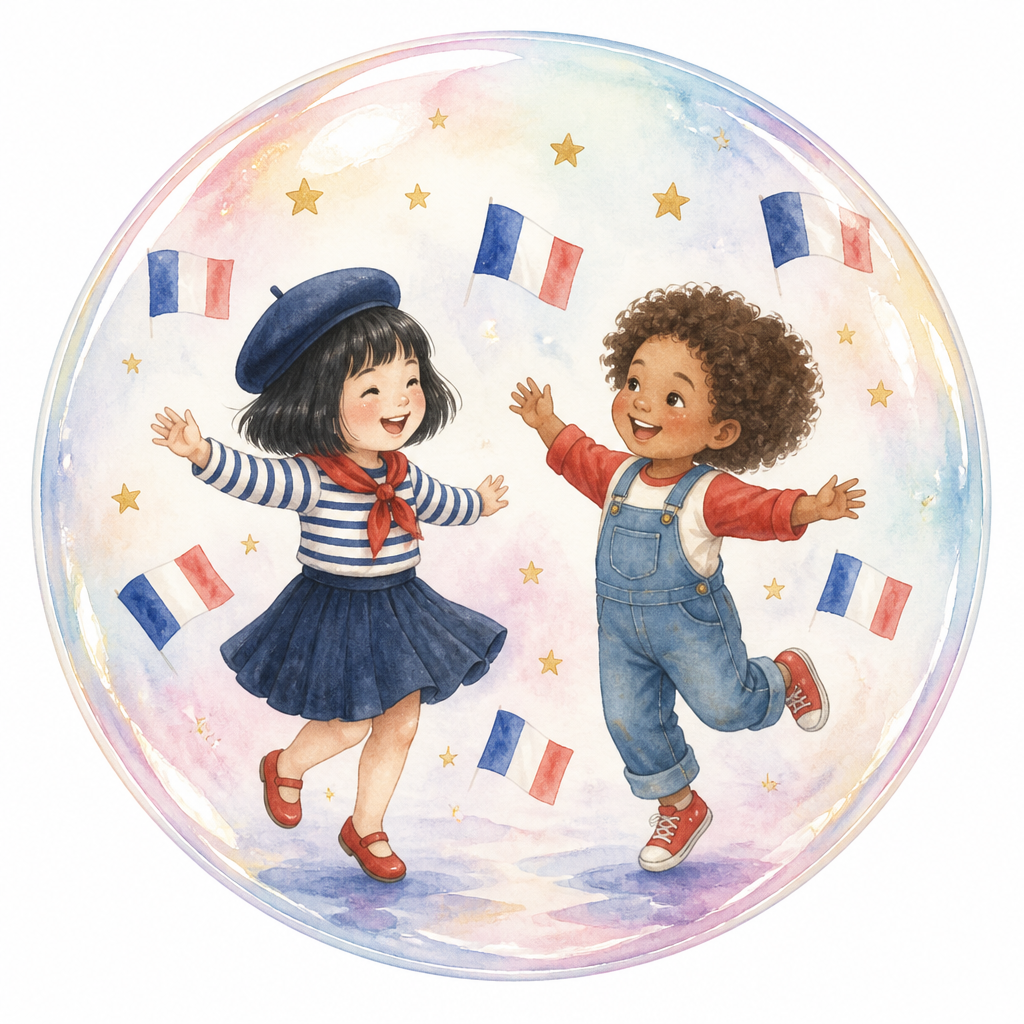
Welcome to Les Petits Learners — where purposeful learning begins. A bilingual French & English home for children aged 0–5.
Hand-drawn colouring sheets and sensory trace cards, offered at gentle prices.
Low-prep activity ideas matched to your child's stage and your family's routine.
Curated lists of our favourite books, toys and developmental tools.
A two-minute quiz that matches your child to the right stage and resources.
Not sure which stage fits your child?
A soft timeline of what little ones explore at each age — always led by the child, always woven with a second language.
Learning two languages in the first five years does far more than teach words — it strengthens the whole developing brain.
Children exposed to two languages often notice sounds, patterns and print earlier, giving reading and writing a gentler start.
Switching between languages builds empathy and awareness of others — bilingual little ones learn early to see the world through more than one lens.
Choosing the right word in the right language is real thinking work. It quietly grows flexibility, focus and creative problem-solving.
Holding two vocabularies exercises working memory and attention — skills that carry into every future subject at school.
Neuroplasticity: early bilingualism expands grey matter density in left hemisphere regions governing vocabulary and articulation. White matter integrity: dual-language immersion strengthens myelinated tracts connecting critical frontoparietal control hubs. Brain growth: managing two language streams functions like structural weightlifting for the developing cortex.
A second language opens more diverse and interesting study, work and travel opportunities later in life — doors that are far easier to open when the language was learned early.
Children who grow up with more than one language often carry a stronger sense of who they are: feeling good about their heritage, confident in connecting with extended family and heritage-language speakers, hearing family stories first-hand, and enjoying music, films and books in both languages.
Multilingualism is a gift to the whole family, not only the child. It improves communication between family members, deepens emotional bonds, makes it easier for you and your child to take part in your culture, and strengthens your family's shared sense of identity and belonging.
Bilingual children tend to do well at school: their sharper thinking skills show up in reading, maths and science, and early literacy learned in one language transfers straight into the other. Two languages also make a third or fourth far easier later, because the child already understands how languages are built. And the old worry about delays simply isn't true — young dual-language learners may mix words or know fewer in each language at first, but they catch up quickly and often move ahead of their monolingual peers.
Early bilingualism grows the mind, the heart and the family. In the first five years it strengthens literacy, memory, attention and flexible problem-solving; it nurtures empathy and social-emotional understanding; it widens future study, work and travel horizons; and it gives a child a secure sense of heritage, identity and belonging — while bringing the whole family closer through a shared language and culture.
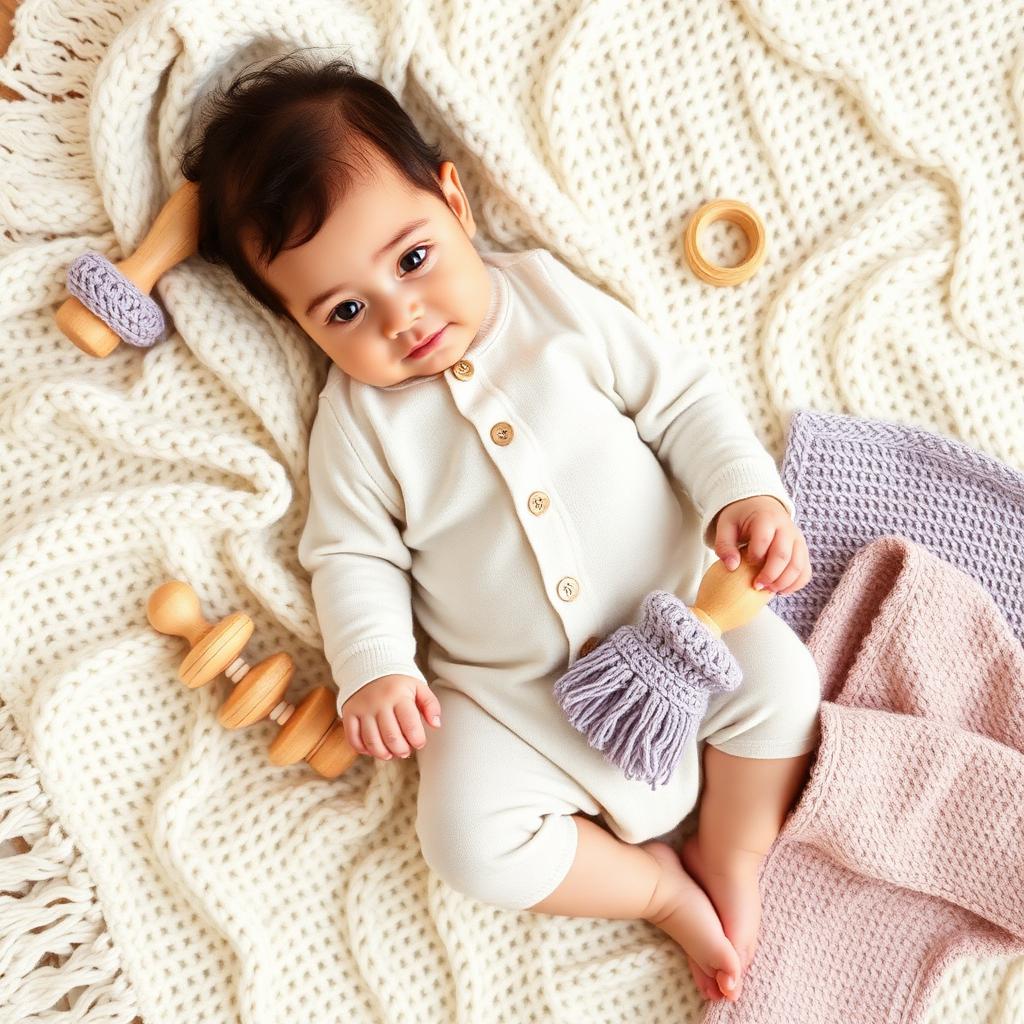 0–1 yrs
Sensory play with wooden rattles — soothing early bonds and gentle discovery.
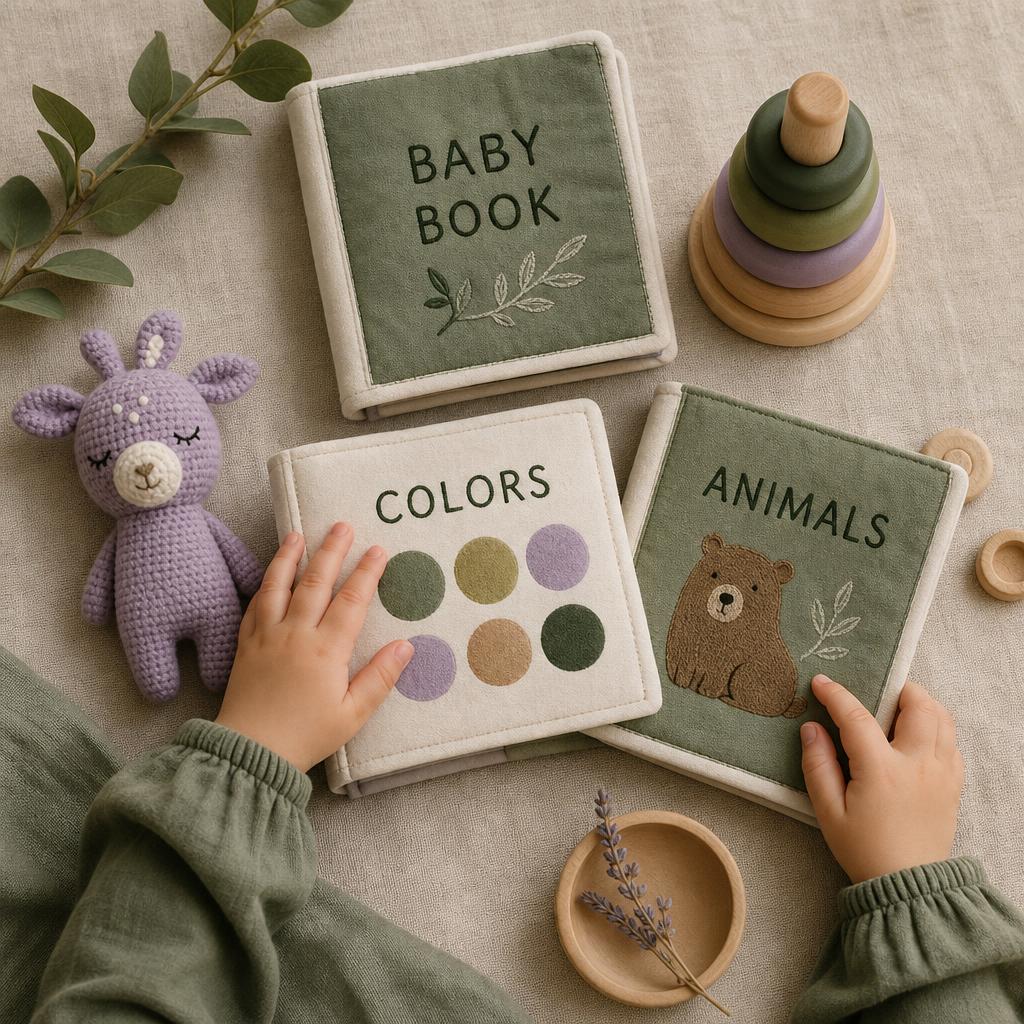 1–2 yrs
Stacking natural rings — building coordination and first words in two languages.
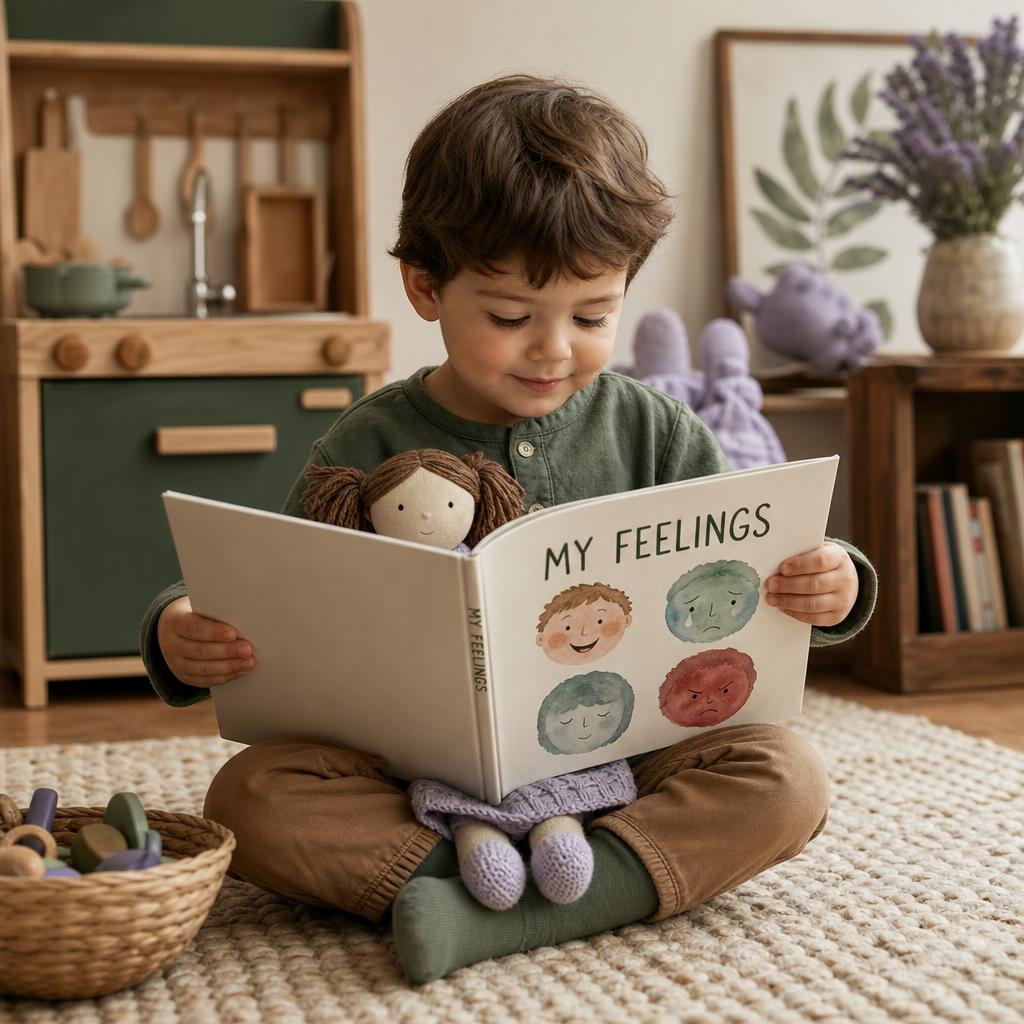 2–3 yrs
Pretend play with a cloth doll — naming feelings in French and English.
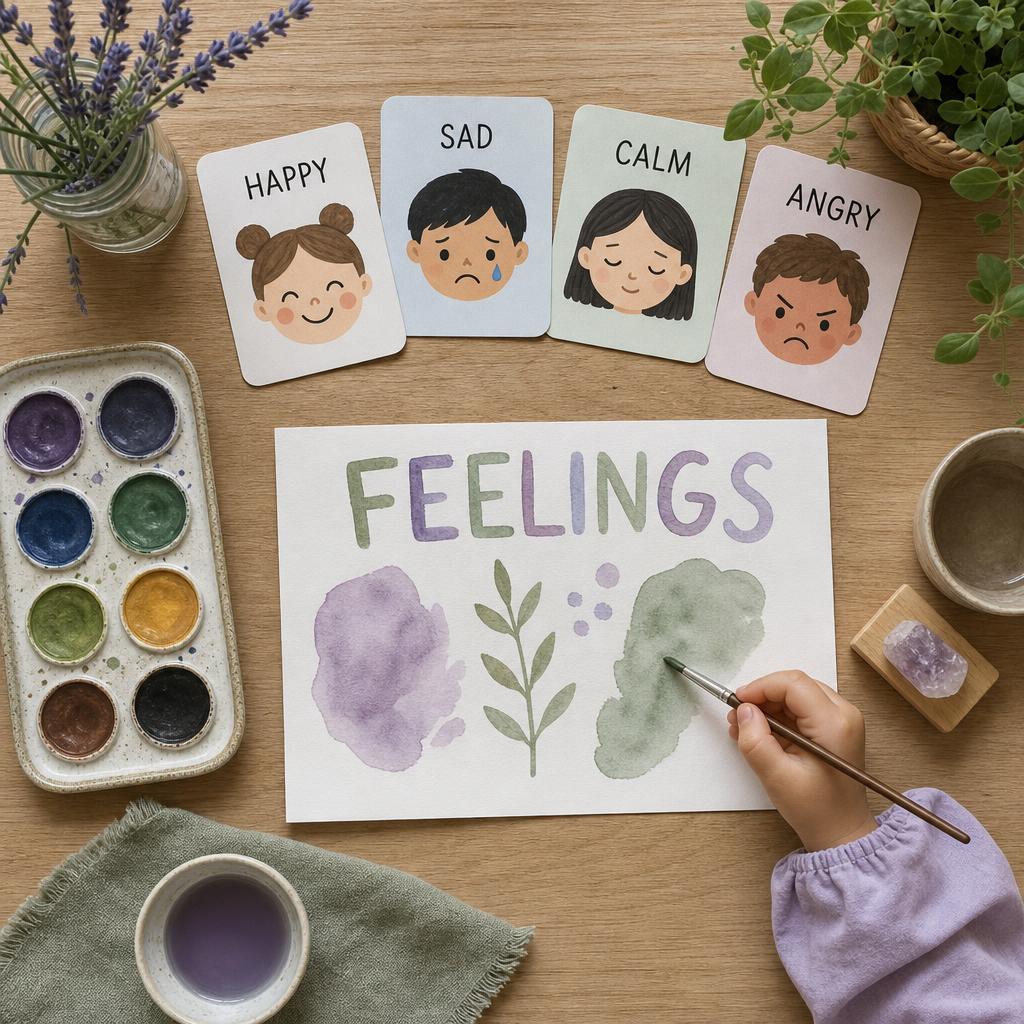 3–4 yrs
Painting emotions with watercolours — supporting social and emotional growth.
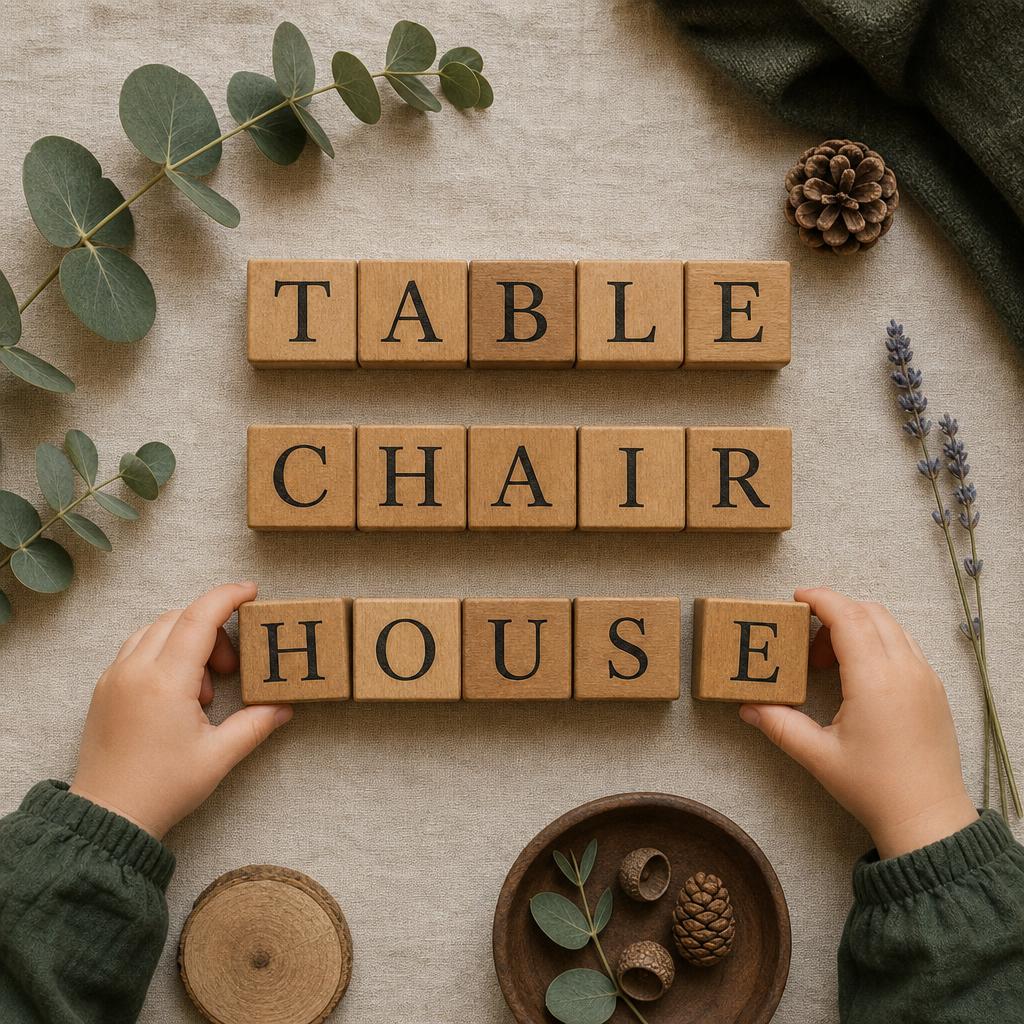 4–5 yrs
Wooden letters and nature finds — early literacy in French and English.
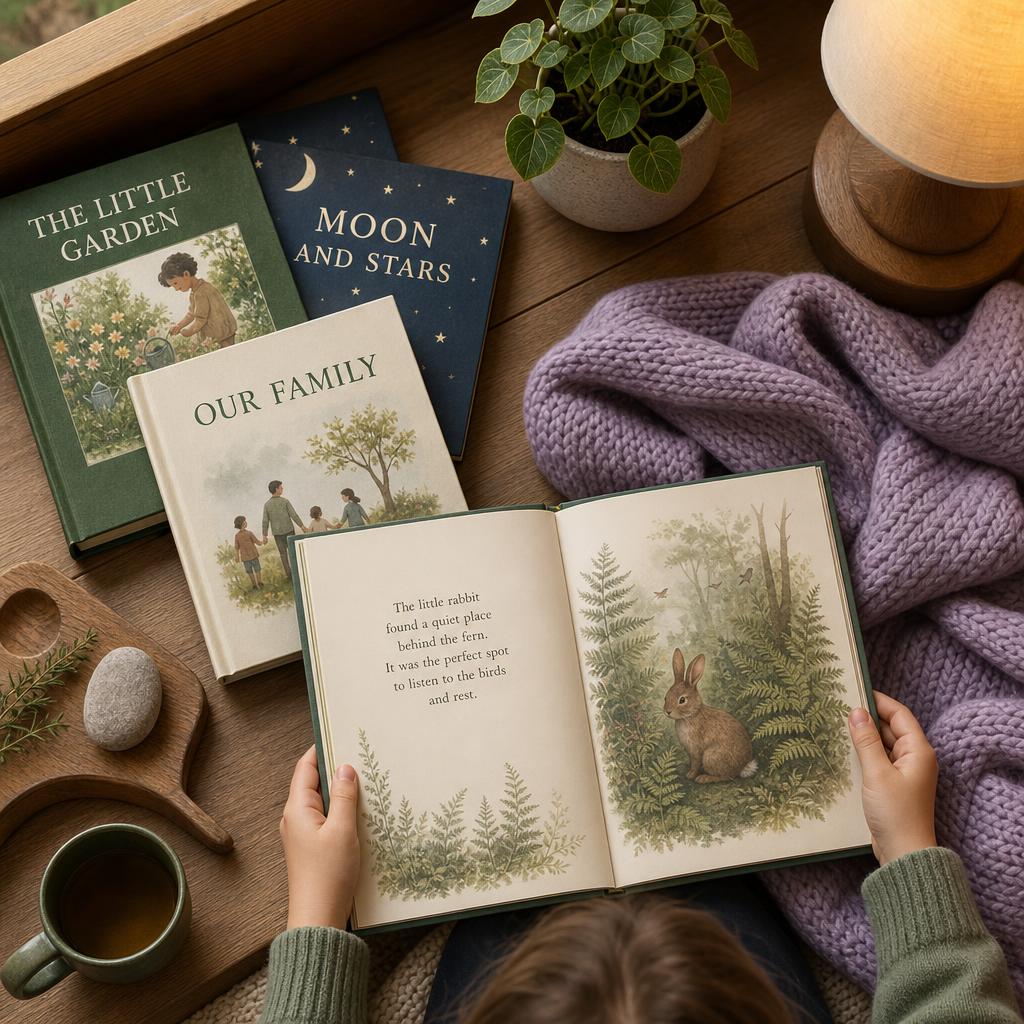 5 yrs
5 yrsBilingual story time — nurturing imagination, memory and concentration.
We believe each child is capable, curious, and full of potential — a co-author of their own learning.
Small, steady goals that guide every printable, prompt and lesson we share.
Welcome to Les Petits Learners — where purposeful learning begins. A bilingual French & English home for children aged 0–5.
Everything parents and educators usually ask before buying a pack.